Rodent & Wildlife Removal for Farmington Homes
Request an estimate, then decide
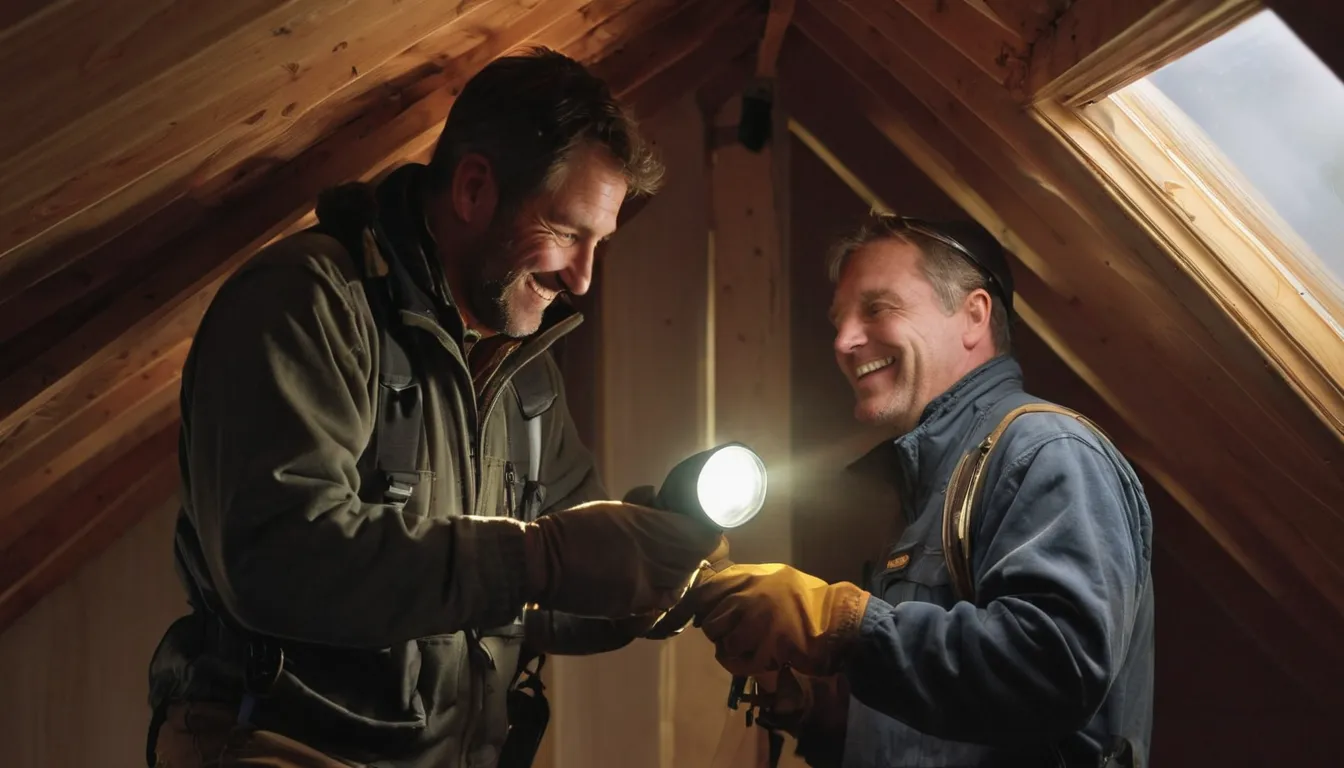
Mice in the pantry, squirrels in the attic, or a raccoon under the porch can make a home feel unsettled. Beatpeak Pest Control is a referral service. It connects homeowners in the Farmington area with independent providers who handle rodent and wildlife removal.
We do not do the work ourselves. You request an estimate, providers in our network share their approach and price, and you pick what fits. Your home, your pace. If this is your first time dealing with animals in the house, this page explains what to expect in plain words, so you can ask good questions and feel ready.
Noises in the Attic or Walls? Start Here
You hear scratching at night. Or you find droppings in a cupboard. Or you spot a hole in the soffit. Take a breath. This is common, and it can be solved.
This page is a simple guide for first-timers. It shows what to look for, what providers do, and how to compare estimates without pressure.
Why Waiting Makes It Harder
Rodents breed fast. A few mice can turn into many in one season. Squirrels and raccoons may also have young inside, and that changes how a provider handles the job.
Chewed wires are another worry. Gnawing on wiring can create a fire risk. Droppings and urine can soak into insulation and spread odors. The sooner someone looks, the less there is to clean up.
Signs of Rodents
Mice and rats leave clues. Watch for:
- Small dark droppings along walls or in drawers
- Gnaw marks on boxes, wood, or wires
- Greasy rub marks near baseboards
- Shredded paper or insulation used for nests
- Scratching or scurrying, often at night
Signs of Larger Wildlife
Bigger animals are noisier and messier. Thumping in the daytime often points to squirrels. Heavy steps at night may mean raccoons. Look for:
- Torn vents, loose soffits, or bent flashing
- Stains on ceilings
- A strong musky smell
- Chirping or chittering from inside a wall
- Droppings piled in one spot in the attic
Animals Providers Commonly Handle
Providers in our network often deal with mice, rats, squirrels, raccoons, opossums, skunks, chipmunks, and bats. Some also handle birds nesting in vents. Ask each provider which animals they take on, since skills differ.
Why Seasons Matter Here
Cold winters with deep frost push animals toward warm spaces. Attics, crawl spaces, and basements look inviting. Spring flooding and heavy storms can also drive animals out of burrows and into porches and sheds.
Older frame houses and ranch homes often have small gaps near rooflines, vents, and foundations. Basements with sump pumps can offer a path in too. A provider will look at all of these.
What a Visit Usually Looks Like
Most visits start with an inspection. The provider checks the attic, crawl space, basement, and outside walls. They look for the animal, the entry points, and any damage. Then they explain the plan and give a written estimate.
Trapping, Exclusion, and Cleanup
There are usually three parts to a job.
- Removal: Traps or one-way doors get the animal out.
- Exclusion: Openings are sealed with durable materials so animals cannot return.
- Cleanup: Droppings and soiled insulation may be removed and the area sanitized.
Some providers do all three. Others only do one. Ask what is included in each estimate so the numbers match up.
Humane Handling and Local Rules
Many animals are protected, and bats are a common example. Rules about trapping, moving, and timing vary by state and by season. A good provider knows the local rules and explains them.
If you hear baby animals, tell the provider right away. Many will plan the work so that young are not separated from their mother.
Is an Exterminator Near Me the Right Search?
Maybe. Many people search for an exterminator near me when they find mice. Rodents often fit that label. Wildlife like raccoons and squirrels usually need a provider who does wildlife removal, which is a different skill set. Tell the provider what you found, and they can say if they are the right fit.
For ants, roaches, or other insects, residential pest control is a separate service with its own page.
Comparing Estimates Without Pressure
Compare, then decide. Line up two or three written estimates and read them side by side. Look at the plan, not only the price. Does it include sealing the entry points? Does it include a follow-up visit? Is cleanup extra?
A low number that skips sealing may cost more later. A high number may include repairs you need. Neither is wrong until you know what is inside.
Questions to Ask Before You Sign
Ask before you sign. Good questions include:
- Which animal do you think this is, and why?
- How will you find and close every entry point?
- What happens if the animals return?
- Is the work done on a set schedule or until it is solved?
- Do you carry the licenses your area requires?
A clear provider will answer plainly.
Keeping Animals Out Afterward
A few habits help a lot:
- Trim branches that touch the roof
- Store pet food and birdseed in sealed bins
- Keep trash lids tight
- Seal gaps around pipes and vents
- Cover chimneys and crawl space openings
- Stack firewood away from the house
Check the attic and basement each fall, before cold weather arrives.
Take the Next Step at Your Pace
You do not have to decide today. Send in a request, read what comes back, and choose when you are ready. Request a callback to check provider availability if you would rather talk it through.
What's Included
Inspection and Diagnosis
A provider checks the attic, walls, and outside of the home to identify the animal and its entry points.
Humane Removal
Traps or one-way doors move animals out while following local rules and protecting young.
Sealing Entry Points
Gaps, vents, and rooflines are closed with durable materials to keep animals out.
Cleanup and Repair
Droppings and damaged insulation may be removed, and the area cleaned to reduce odors.
Typical Rodent and Wildlife Removal Costs
Prices vary by animal, home size, and how much damage there is. These are typical U.S. ranges, not quotes. Always get a written quote that lists exactly what is included before agreeing.
| Service | Typical range | Notes |
|---|---|---|
| Inspection | $75 – $300 | Some providers apply it to the job |
| Mouse removal | $200 – $600 | Often includes a few follow-up visits |
| Rat removal | $300 – $800 | Burrows or sewer access can add cost |
| Squirrel or raccoon removal | $250 – $750 | Young animals may change the plan |
| Bat exclusion | $500 – $3,000 | Timing rules apply in many states |
| Sealing entry points | $300 – $1,500 | Depends on number and height of openings |
How It Works
Describe What You Hear
Tell us about the noises, droppings, or damage you have found, and where in the home.
Request Your Estimate
Send the request form, and providers in our network can respond with their approach.
Compare Written Options
Read the plans and prices side by side, and ask questions about anything unclear.
Choose and Schedule the Work
Pick the provider you trust, agree on the scope in writing, and set a visit.
Why Call Beatpeak Pest Control
Compare Before Committing
Get several written estimates and read them side by side, with no pressure to pick.
Plain Guidance
We explain each step in simple language, so a first-time homeowner knows what to expect.
Local Providers
Independent providers in our network know the housing styles and seasonal patterns in your area.
Your Pace
Request an estimate, take your time reading it, and choose only when you feel ready.
Other Services
Need rodent & wildlife removal in Farmington?
Tell us what you are seeing at home. Send a request and a local provider can follow up with an estimate. No obligation to accept.
No obligationRodent & Wildlife Removal FAQ
How do I know if I have mice or a bigger animal in my attic?
Size and timing help. Light scurrying at night often means mice or rats. Heavy thumps in the daytime may be squirrels, and loud steps at night may be raccoons. A provider can confirm after an inspection.
Is it safe to clean up rodent droppings myself?
Be careful, since droppings can carry germs. Avoid sweeping dry droppings, which can stir up dust. Wear gloves and a mask, and wet the area first. Many homeowners let a provider handle heavy cleanup.
How much does wildlife removal usually cost?
Typical U.S. prices run from a few hundred dollars for simple trapping to several thousand for bats, sealing, and attic cleanup. Costs vary by job, so request a written quote from more than one provider before deciding.
Get in touch
Tell us what you are seeing at home. Send a request and a local provider can follow up with an estimate. No obligation to accept.
No obligation